Throwback Thursday: LeBard Stadium -- Pirate Paradise
I may be opinionated about this week's "Throwback" subject, but I've earned the right to opine.
 In a few moments, I shall reveal the loveliest building in all of Costa Mesa. And what a pleasing place our Mesa is, don't you agree?
"This other Eden, demi-paradise … This happy breed of men, this little world … This blessed plot … This earth … This realm …" This tabletop above The Bay.
My campaign should carry weight because I've lived upon these sylvan acres since 1951. Like a great ocean liner during her Halcion days, my pick for "Mesa's Most Magnificent Manse" is a glorious structure to behold. I get chill bumps every time I enter her hallowed confines.
The building about which I natter is fairer than the stunning Renee and Henry Segerstrom Concert Hall; more breathtaking than the Costa Mesa Plaza Tower; and more utilitarian than "The Pit," Vanguard University's gym -- and former Santa Ana Army Air Base Service Club – which, ironically, once sat upon Orange Coast College's campus.
On the verge of celebrating our "loveliest" building's 65th anniversary this fall, my favorite Costa Mesa structure has attracted millions to its site since 1955.
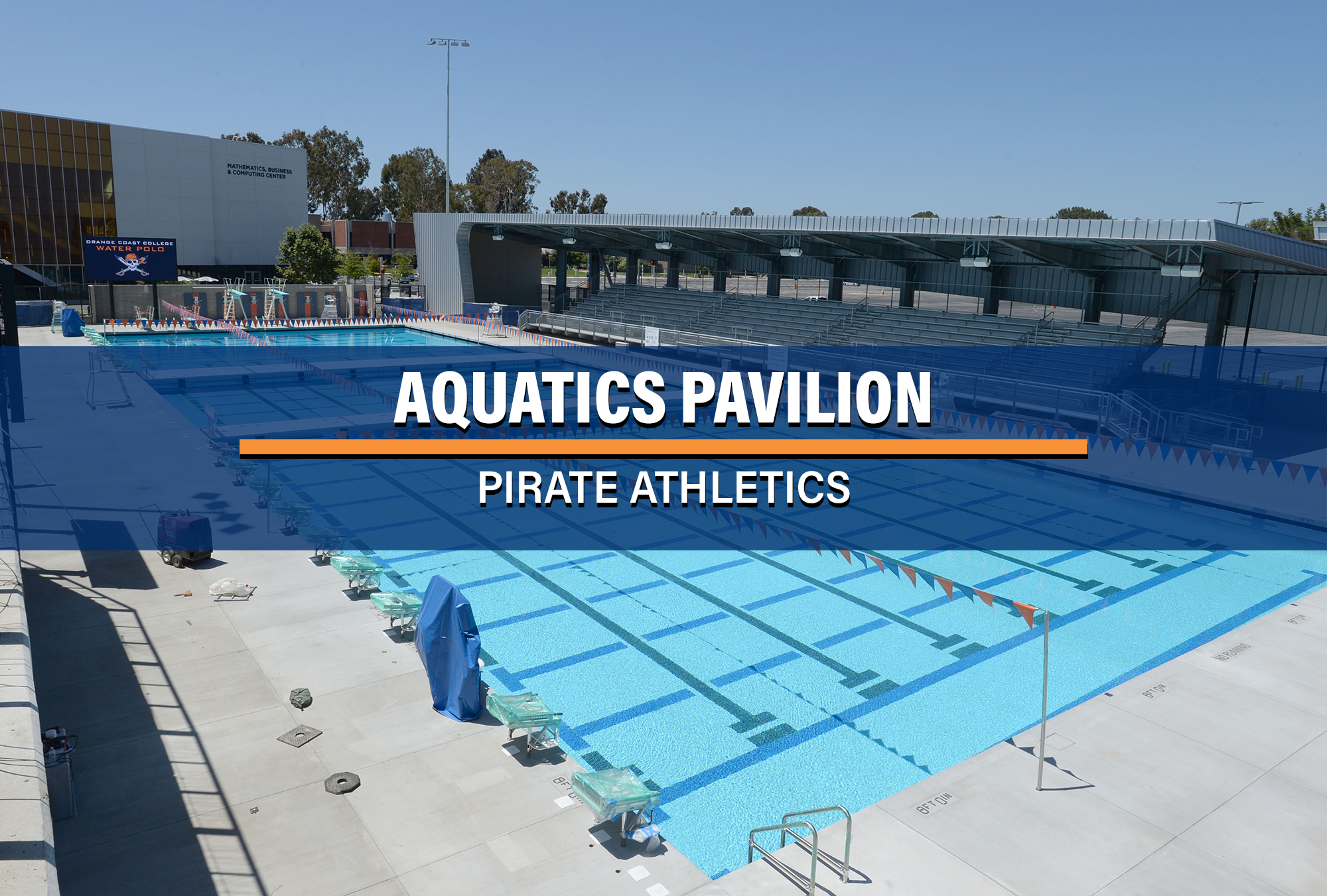
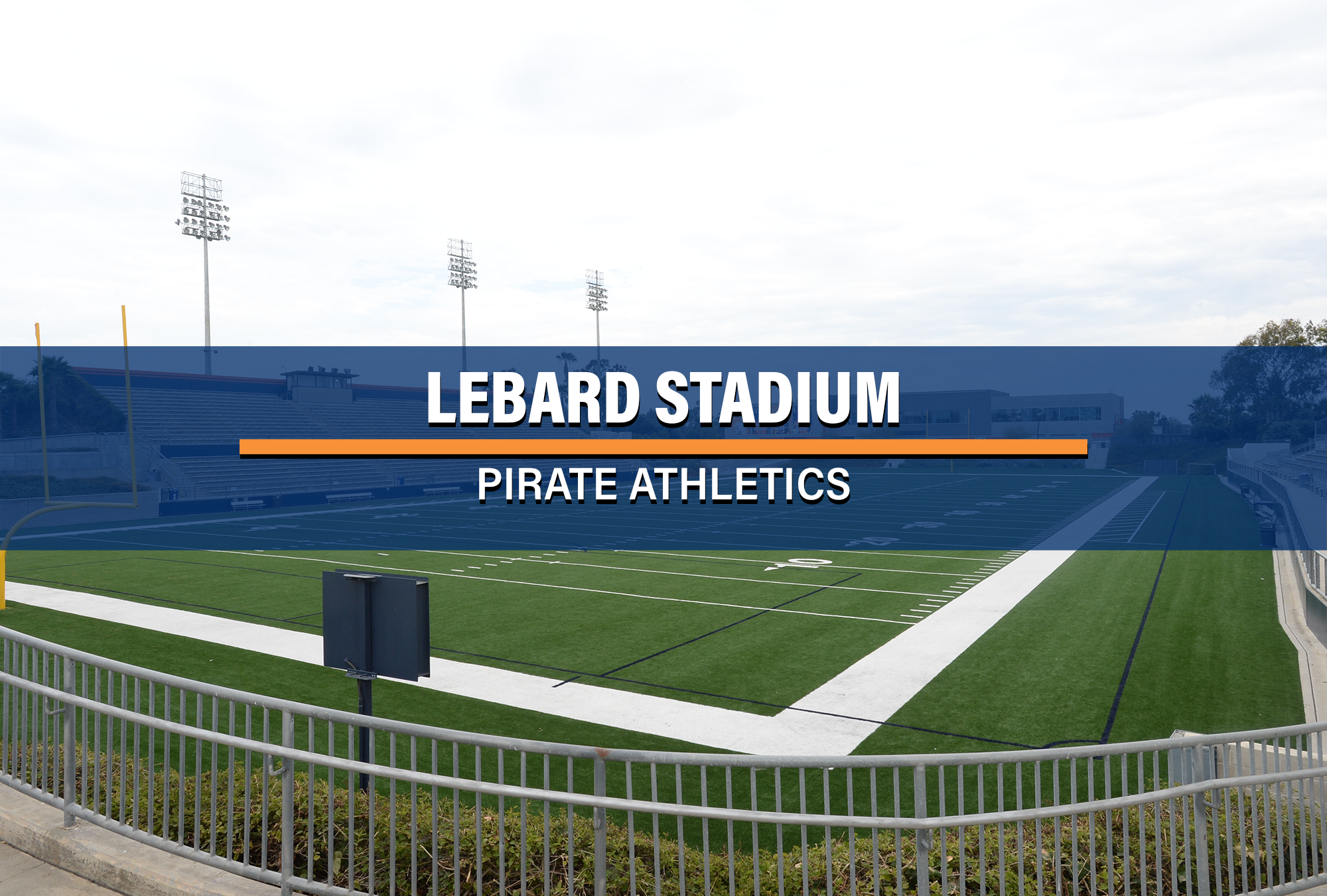
I speak of Harry R. LeBard Stadium at OCC, nuzzled between the gleaming Fitness Complex to the north; the new – and stunning -- Aquatic Center to the west; the Jim McIlwain Track and Field Complex to the east; and the Mathematics, Business and Computing Center to the south.
It's "The House that Ray Built."
OCC's first head football coach, Ray Rosso, worked hand-in-glove with architects in designing the edifice. No idle trappings, it is coach-, player- and fan-friendly. Without a 400-meter track surrounding its gridiron, all seats in the stadium are close to the action.
The subject of this column stirs within me a host of feelings and emotions.
LeBard Stadium was constructed at a cost of $300,000. Originally named Pirate Stadium, the 7,600-seat structure was designed by Parker, Zehnder and Associates. It was dedicated on Sept. 16, 1955. OCC battled East Contra Costa College to a 13-13 deadlock in that first contest.
 Brown sod was delivered to the field the week of the opening kickoff and was spray-painted green for obvious reasons. The order to paint the field was issued by OCC's founding president, Dr. Basil H. Peterson.
By halftime, every uniform in sight was green.
Pirate Stadium was renamed LeBard in 1967 after a member of the Coast Community College District's first board of trustees.
The stadium's playing surface is below grade, meaning it projects a dramatic sunken-bowl appearance. Construction crews excavated dirt from the site of the playing field and piled it high on both sidelines to form the underpinning for the grandstands. Today, LeBard is lauded for its intimate, fan-friendly atmosphere.
In 65 seasons, LeBard has hosted more than a thousand community college and high school football games, attracting well over two million fans. I've attended games there that drew upwards of 10,000. Spectators overflowed the bleachers and spilled onto the stadium's berms.
I've seen temporary bleachers installed above the south end zone.
In 2004, the stadium underwent a major makeover. That project included improved seating and access for disabled fans, a new scoreboard, an artificial playing surface, and, later, a new field-house. Three years ago the playing surface was named Dick Tucker Field.
I received my introduction to the stadium in June of 1958. LeBard was three years old and served as the site of my Everett A. Rea Junior High graduation.
During my junior and senior years at Costa Mesa High School, our varsity football team played its home games at LeBard. The first game I ever witnessed there was Mesa's 25-0 victory over Northview High of Covina in 1960. I was public address announcer for all Mesa High games that year at LeBard.
 My high school graduation was held in the stadium in June of 1962, and my OCC graduation in 1969.
While in high school, my buddies and I would sneak into the stadium on weekends to play baseball (over the line). We'd hit home runs deep into the bleachers. Every time we'd jack the ball into the stands we'd whoop it up. We were unceremoniously kicked out of the stadium by facilities chief, Fran Albers, numerous times.
I joined OCC's staff in 1971 as director of community relations. For 15 years I also served as sports information director and ran the press box on game nights. For 21 seasons after that I was public address announcer for all Pirate home games.
I worked more than 160 games in the press box. When I retired in 2008, the college graciously named the press box after me. I was deeply honored.
One of the most controversial incidents in the stadium's history took place in 1976. Coach Dick Tucker's Pirates captured the national championship a year earlier, 1975, rolling up an 11-0 record. One of those wins was a 36-17 thumping of arch-rival Fullerton College at Anaheim Stadium.
In '76, the teams met at LeBard. The Hornets went 9-2 that year and beat the 6-4 Pirates, 30-0. Fullerton's legendary coach, Hal Sherbeck -- honoring a North Orange County tradition following an emotional win -- pulled out his dentures after the game and grinned at his players. They responded by charging up the stadium's south berm, trampling the ivy.
OCC headman, Dick Tucker, and his players were stunned. "They must have really wanted this one," Tucker murmured while leaving the field.
The Hornets boarded their buses and left without showering.
Walking into LeBard Stadium today is a bit like walking into Ebbets Field, or Old Trafford or Carnegie Hall. Countless lives have been shaped by its existence.
To me, LeBard is holy ground.